


Come quando quasi
BrisaNoronha.Come quando quasi
Testo critico di Gabriella Rebello Kolandra
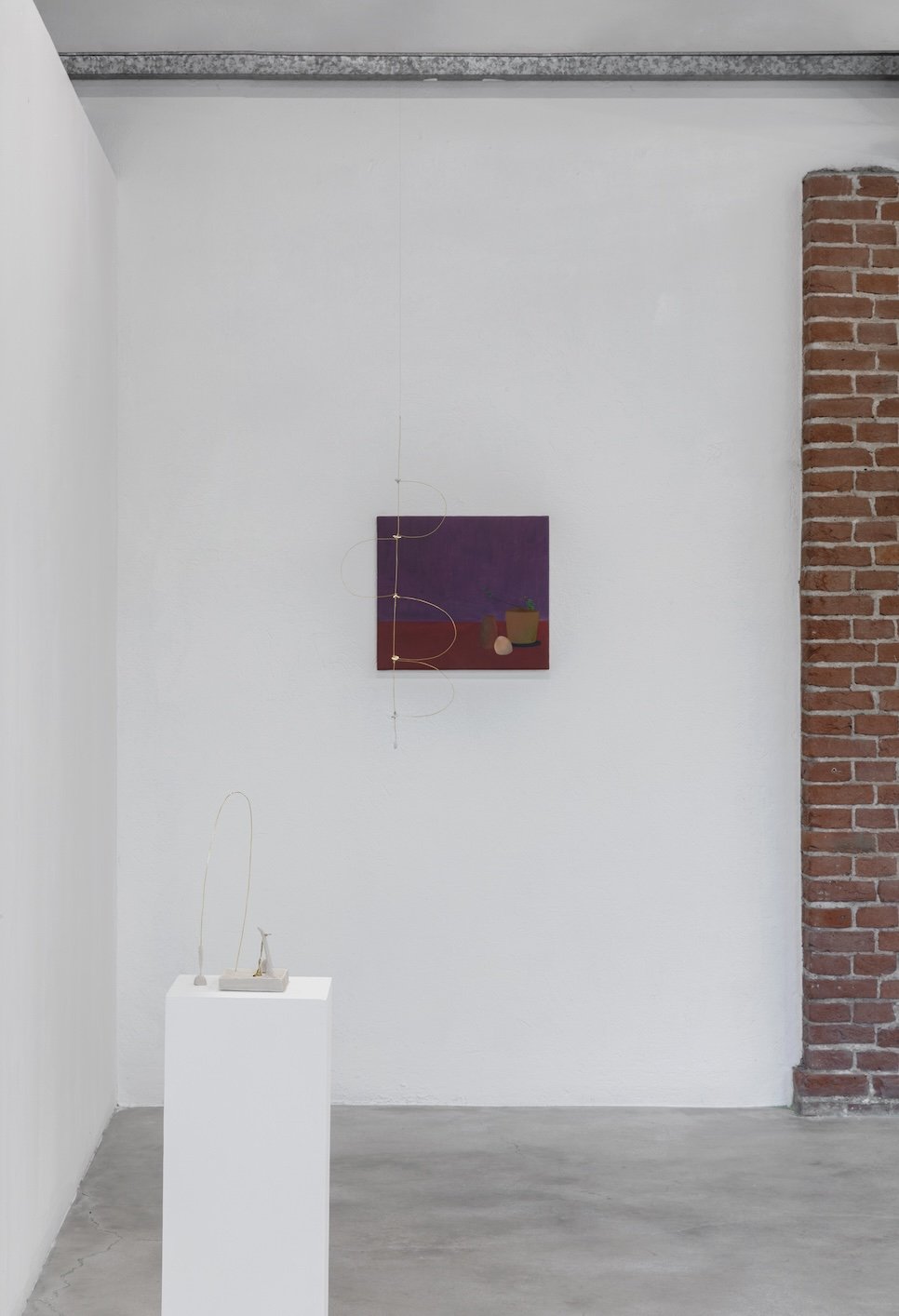
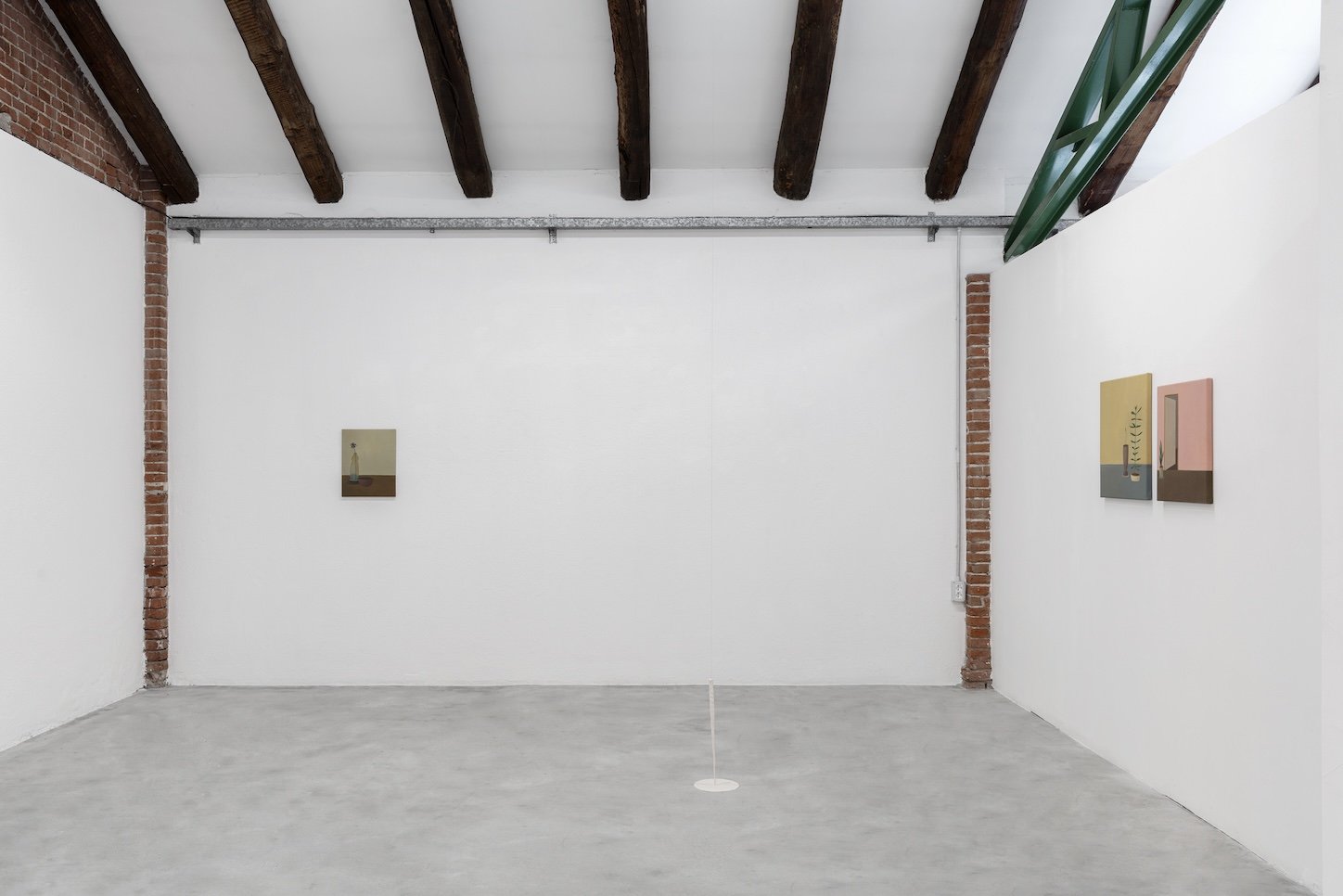
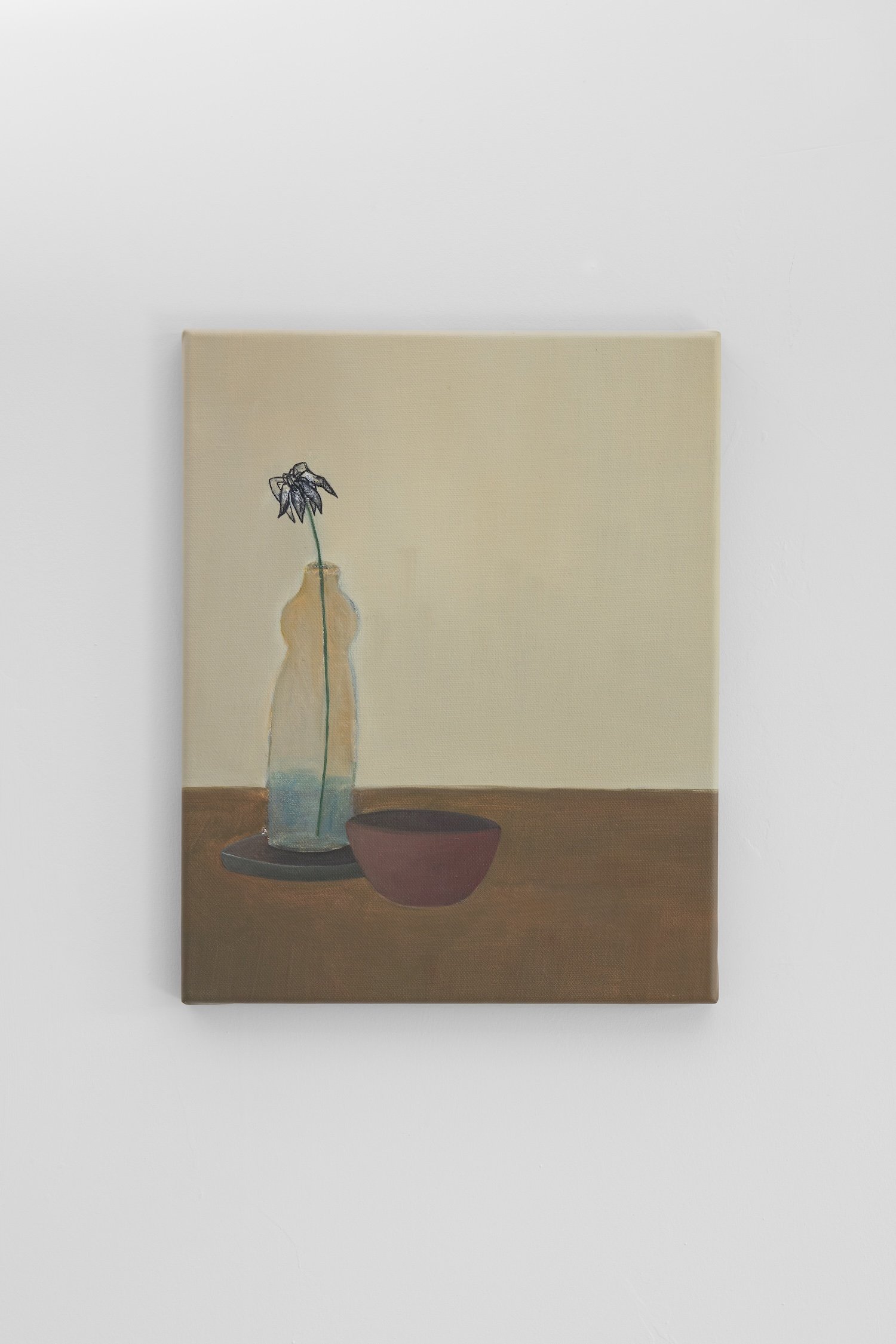
Come quando quasi, the title of Brisa Noronha’s first solo exhibition in Italy, is taken from the book Distraídos venceremos (São Paulo, 1987), marking the peak of poet and writer Paulo Leminski’s experimentation. This expression can be interpreted as an attempt to describe something that is still in the process of formation, and that may never be fully grasped by language. It is a formulation that appears to begin without the obligation to conclude, much like the succession of sentences that seek to define an idea without stifling it. Poetry operates in this way: it does not seek to explain the world, but rather to generate inflections of meaning within it. It does not ask for space; it takes it, like the cracks that slowly open up on the surface of matter. Noronha develops a practice that spans various media, in which sculpture, painting, drawing and photography function as interconnected fields of inquiry. Her work unfolds through formal and material experimentation aimed at calling into question what is commonly understood as reality. Drawing on readings in physics and chemistry, particularly on the behaviour of materials, this perspective brings a rigorous approach to the elements she uses in her work.
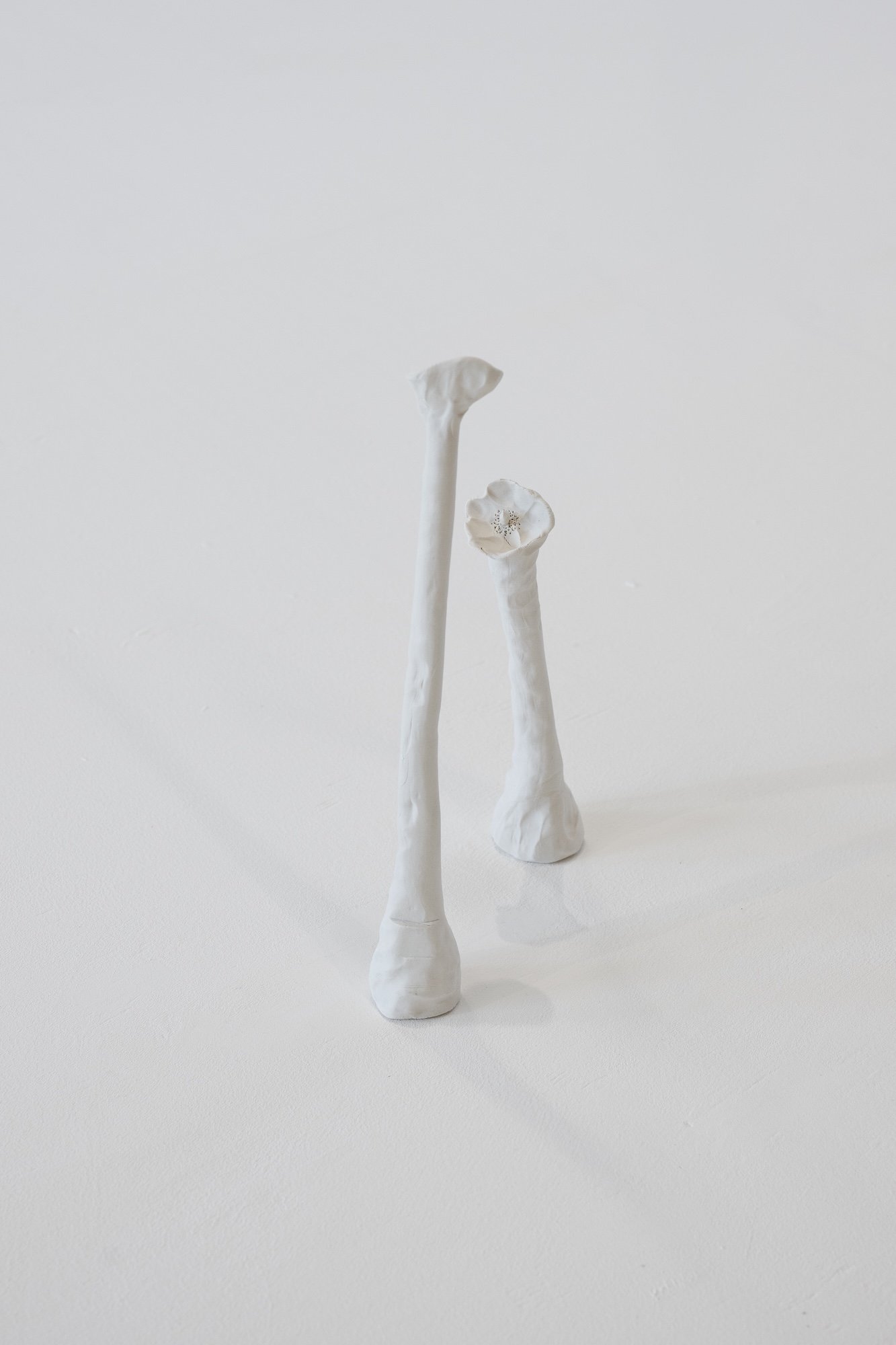
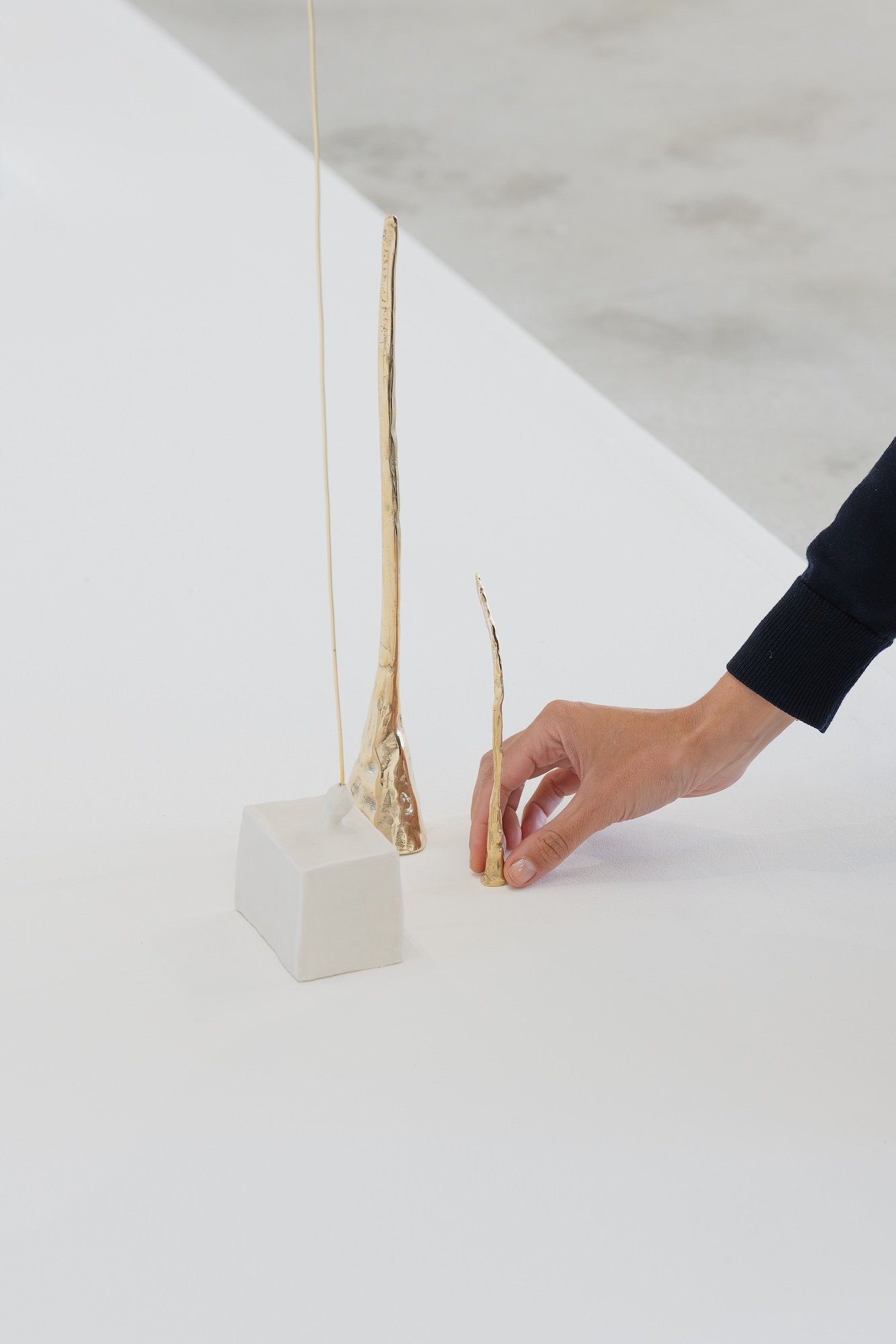
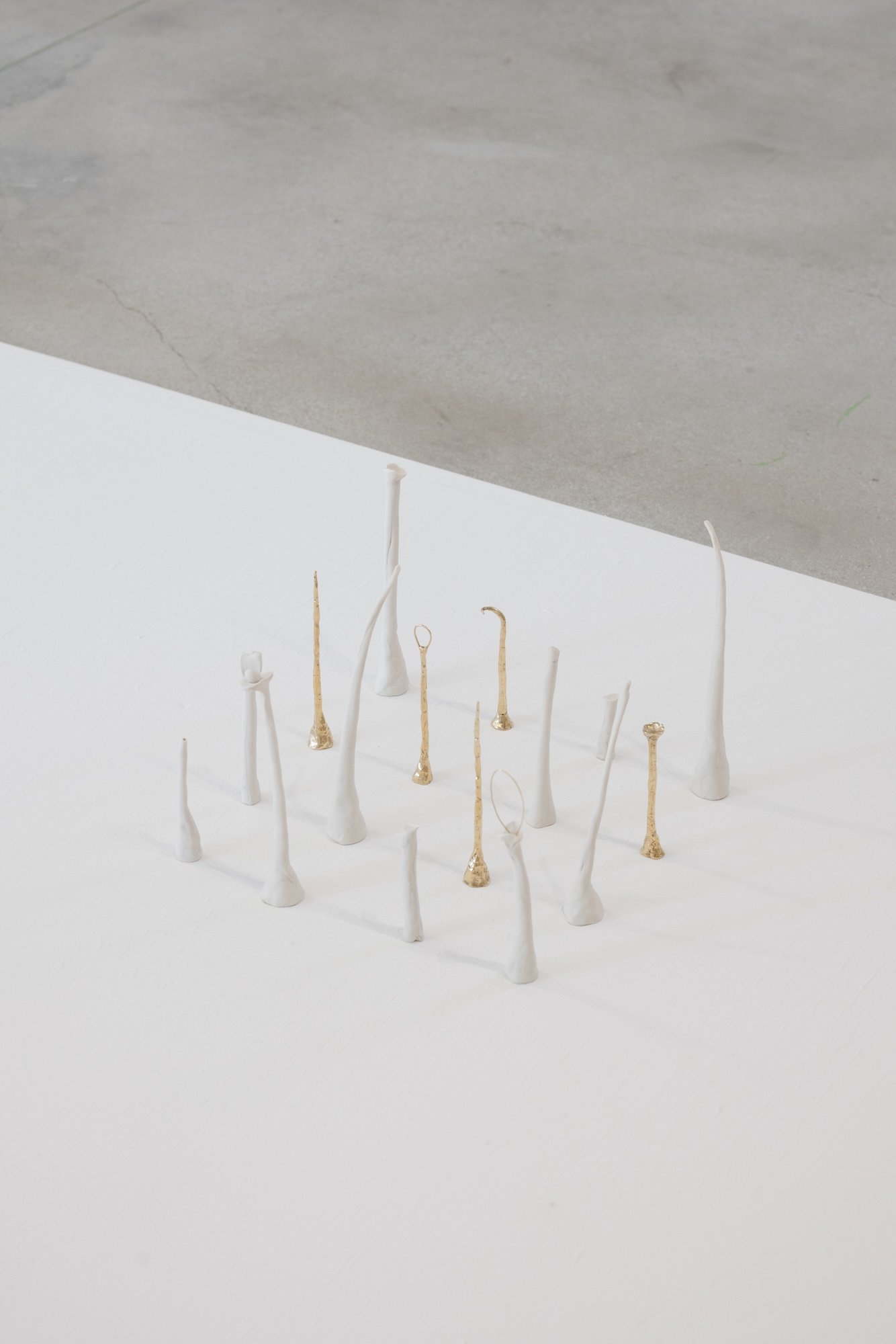
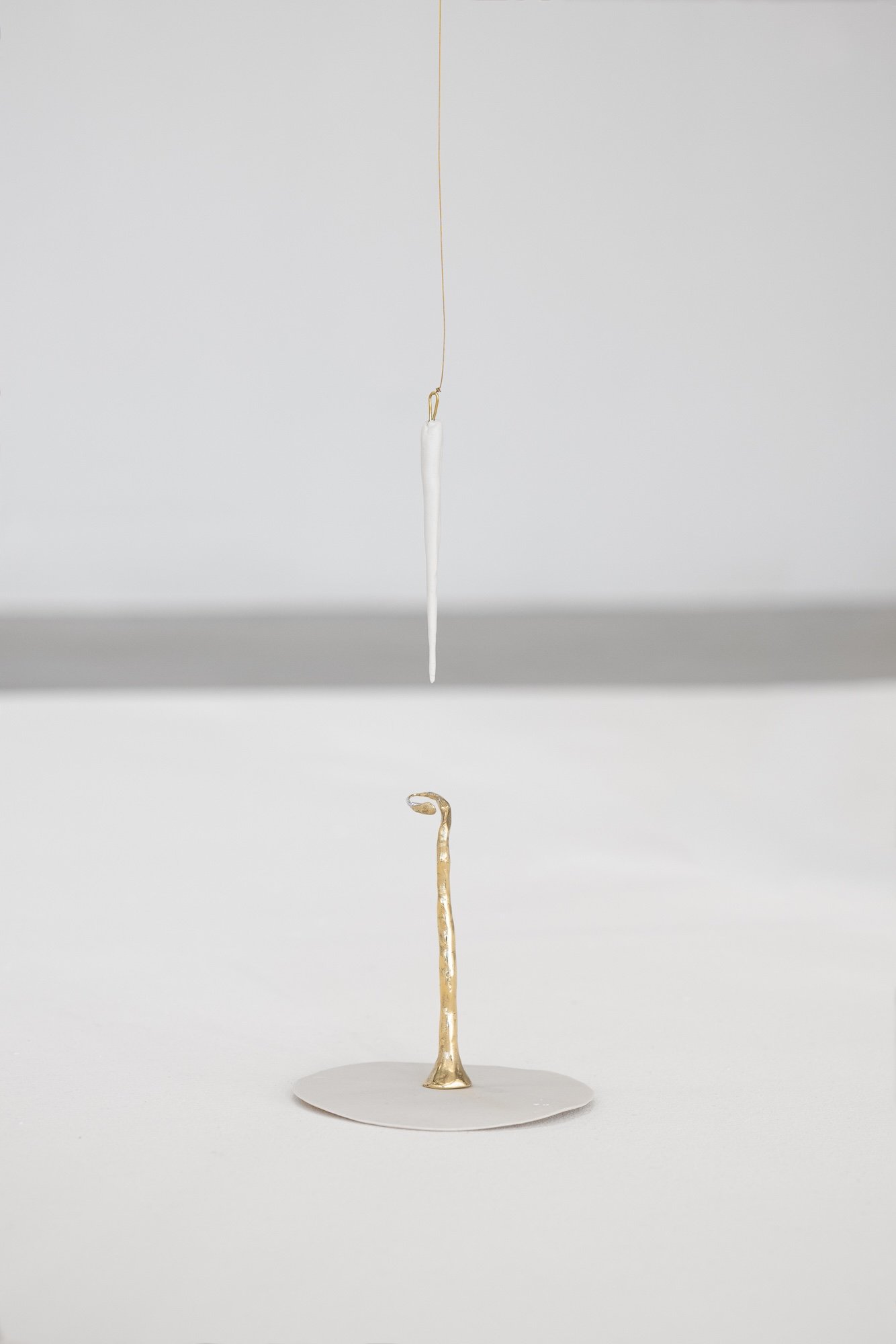
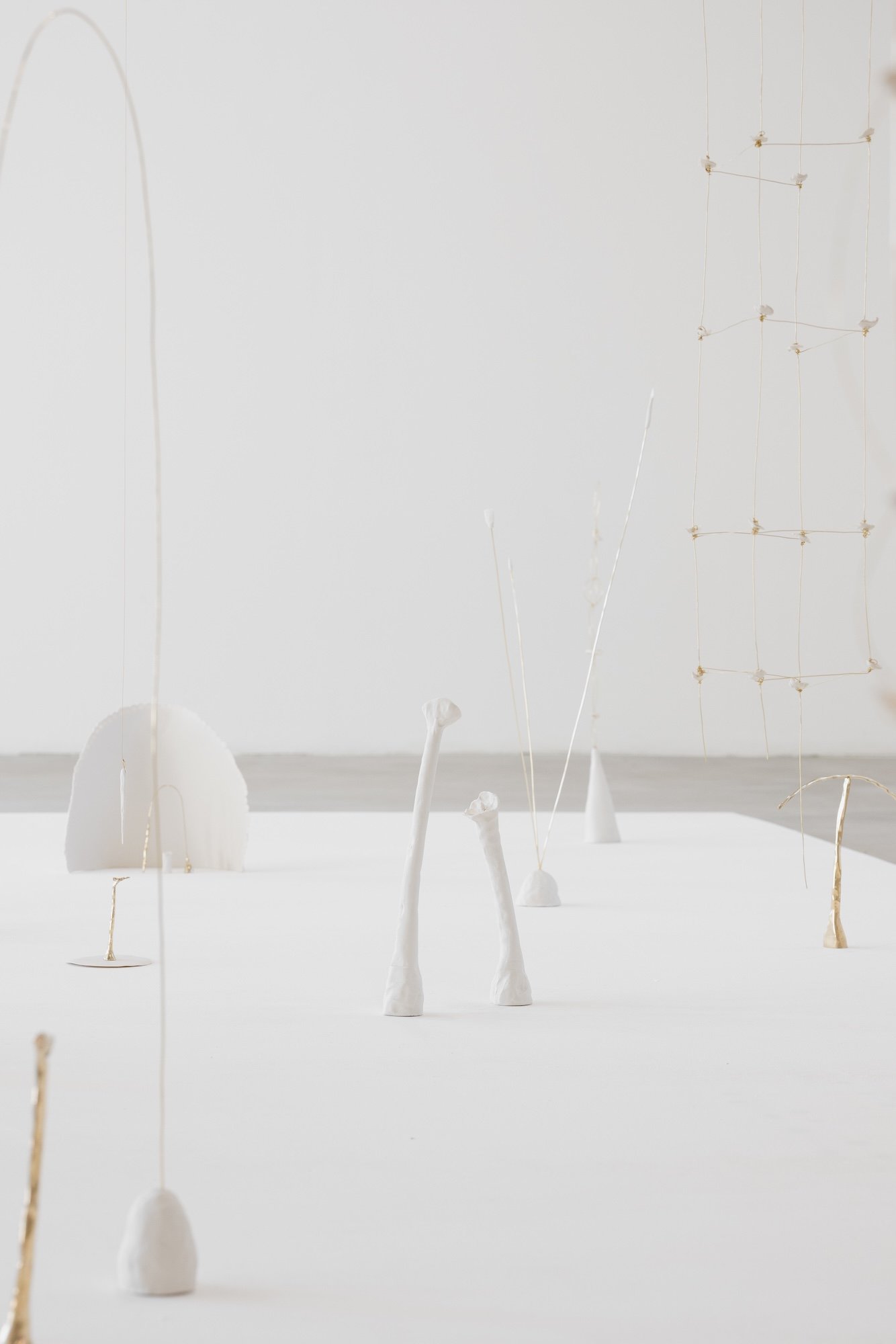
The materials convey a certain sense of fragility, yet their handling in her work undermines any notion of preciousness. Porcelain, which occupies a central place in Noronha’s research, is explored in terms of its physical and processual limits. It is used without any kind of glaze, worked directly by hand and with minimal use of tools. Its ability to record the slightest gestures and preserve on the surface the memory of the action that created it gives rise to one of the most significant aspects of the artist’s practice: an almost obsessive experimentation with the behaviour of matter. Unlike other clays, porcelain enables the creation of extremely thin structures that can withstand stresses approaching the limits of its
resistance. This leads to a dissociation between the concepts of delicacy and fragility — a central theme in her work.
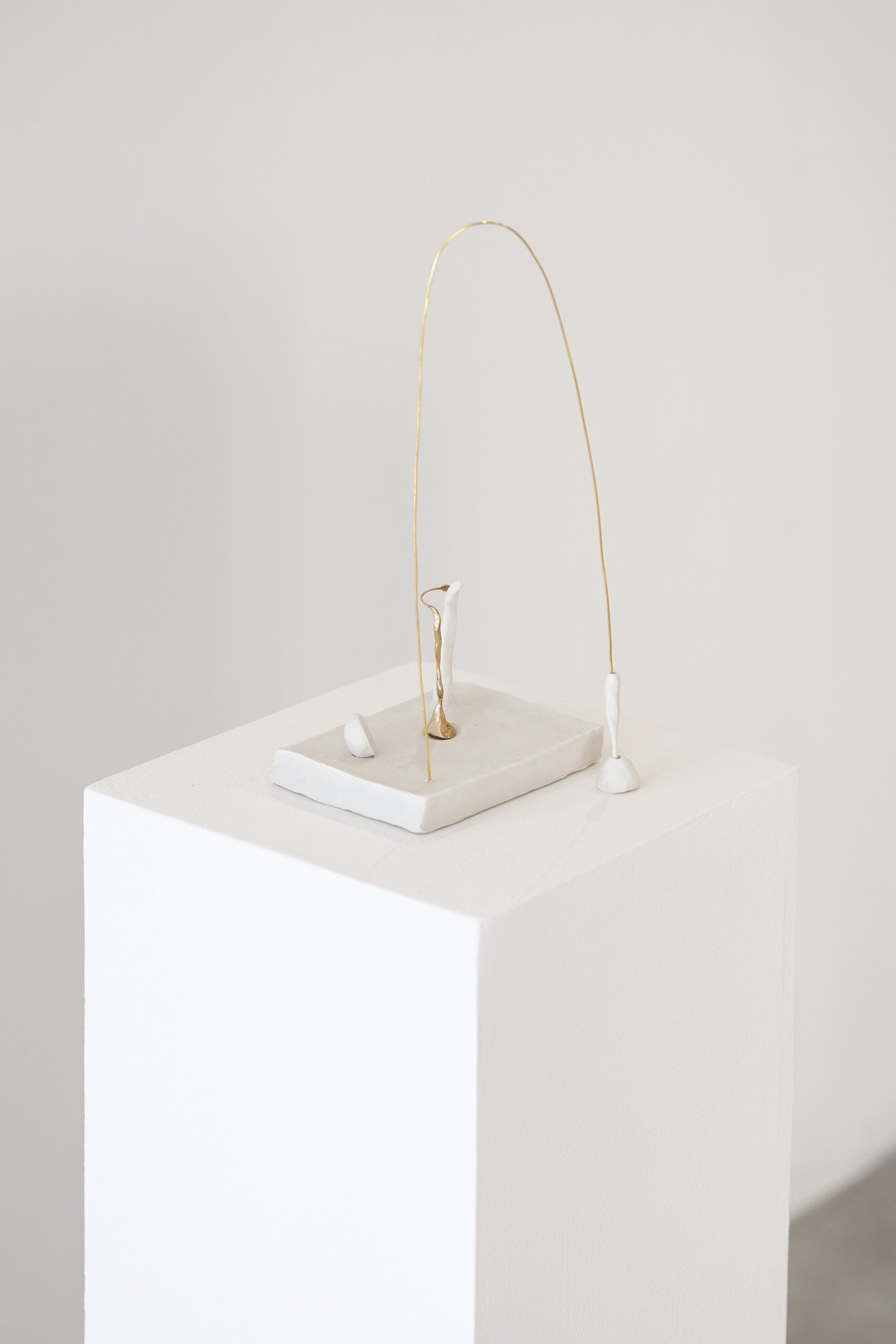
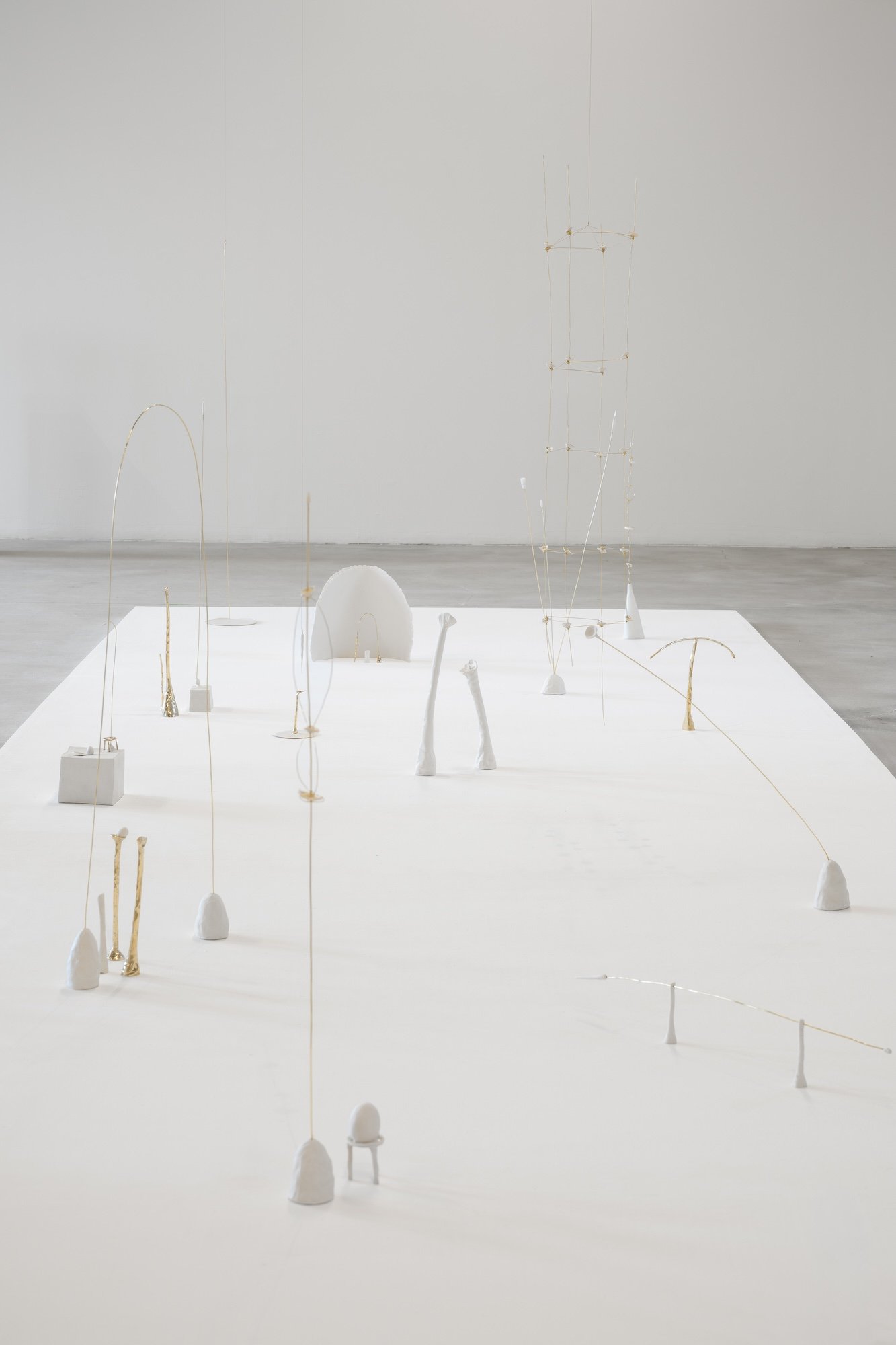
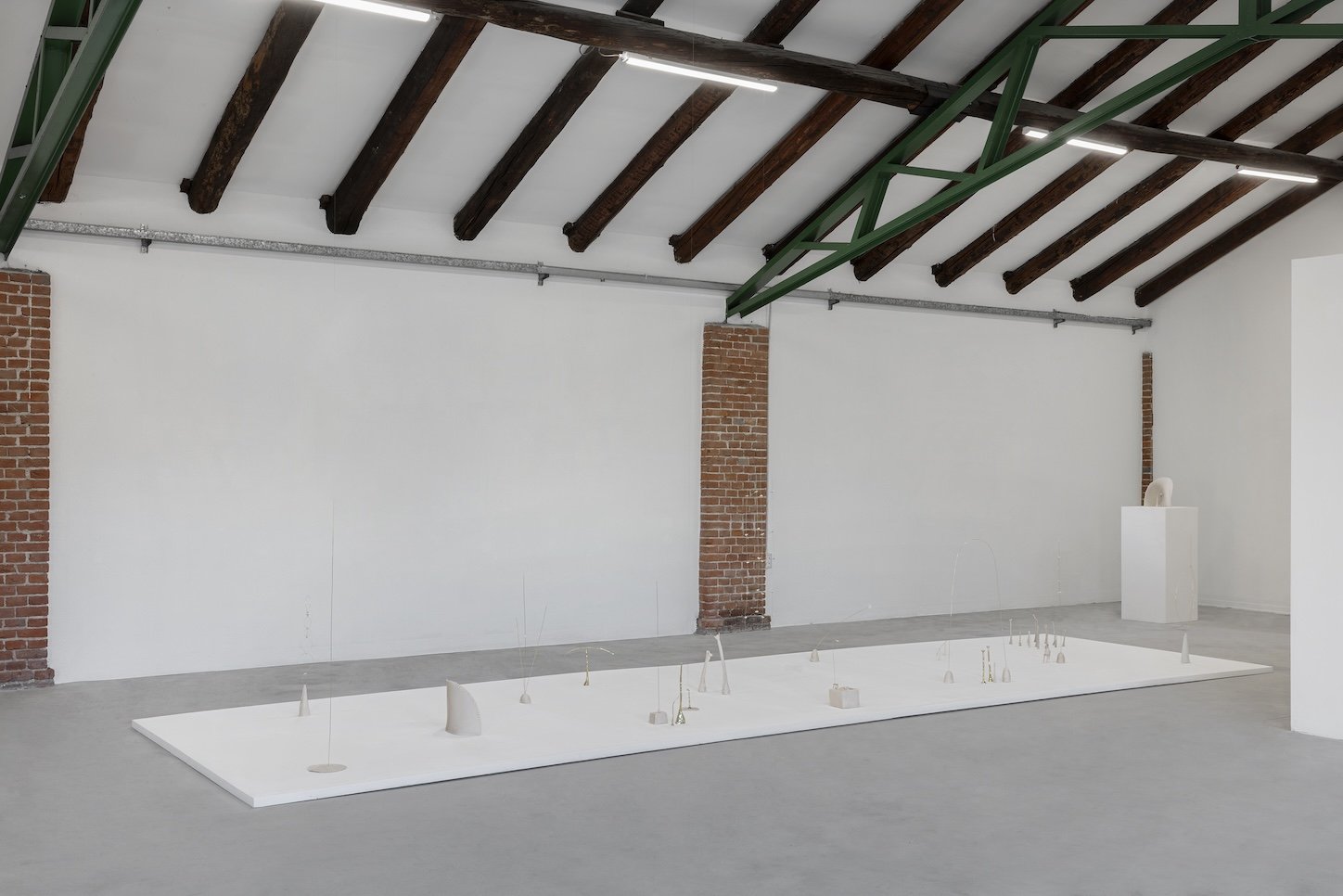
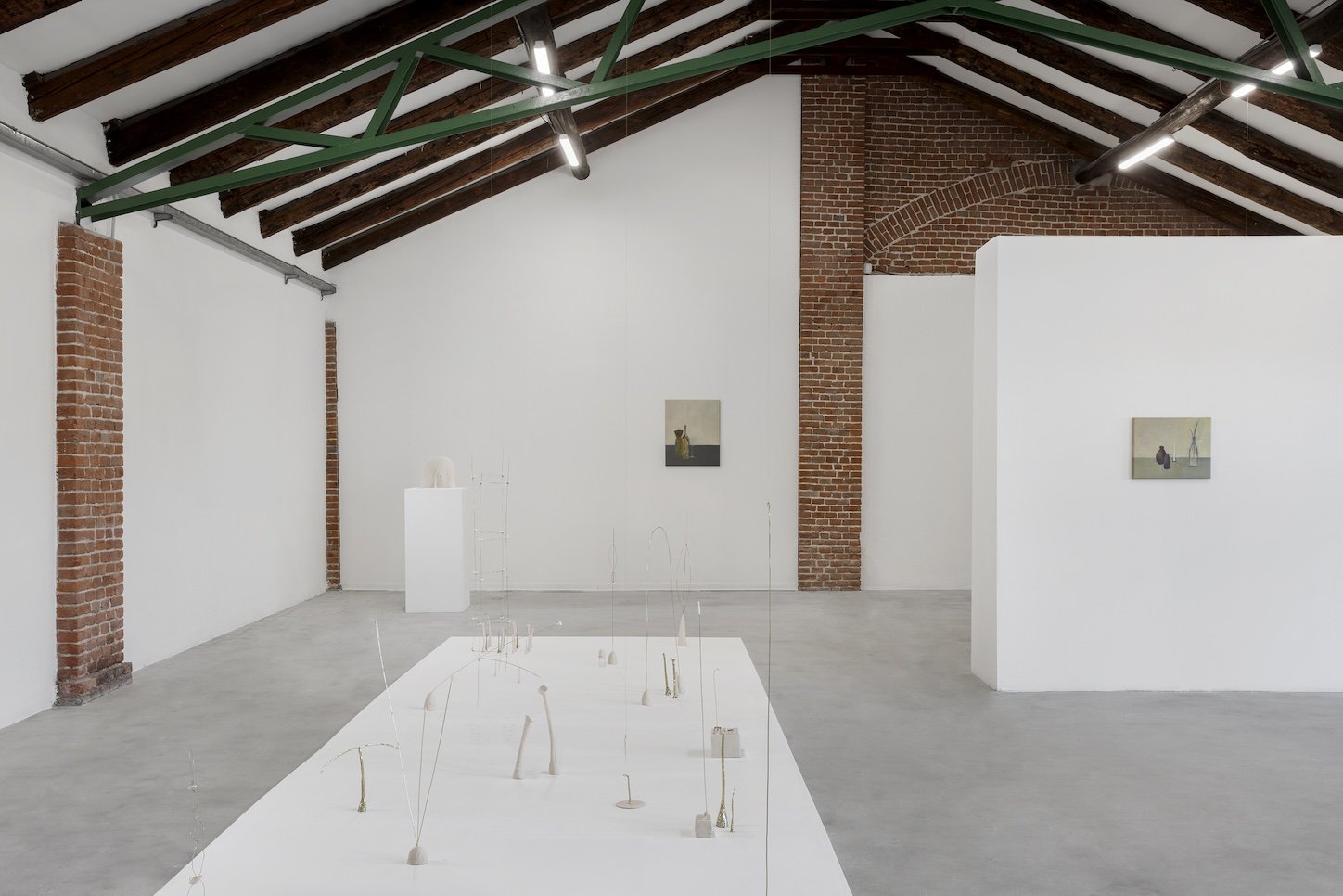
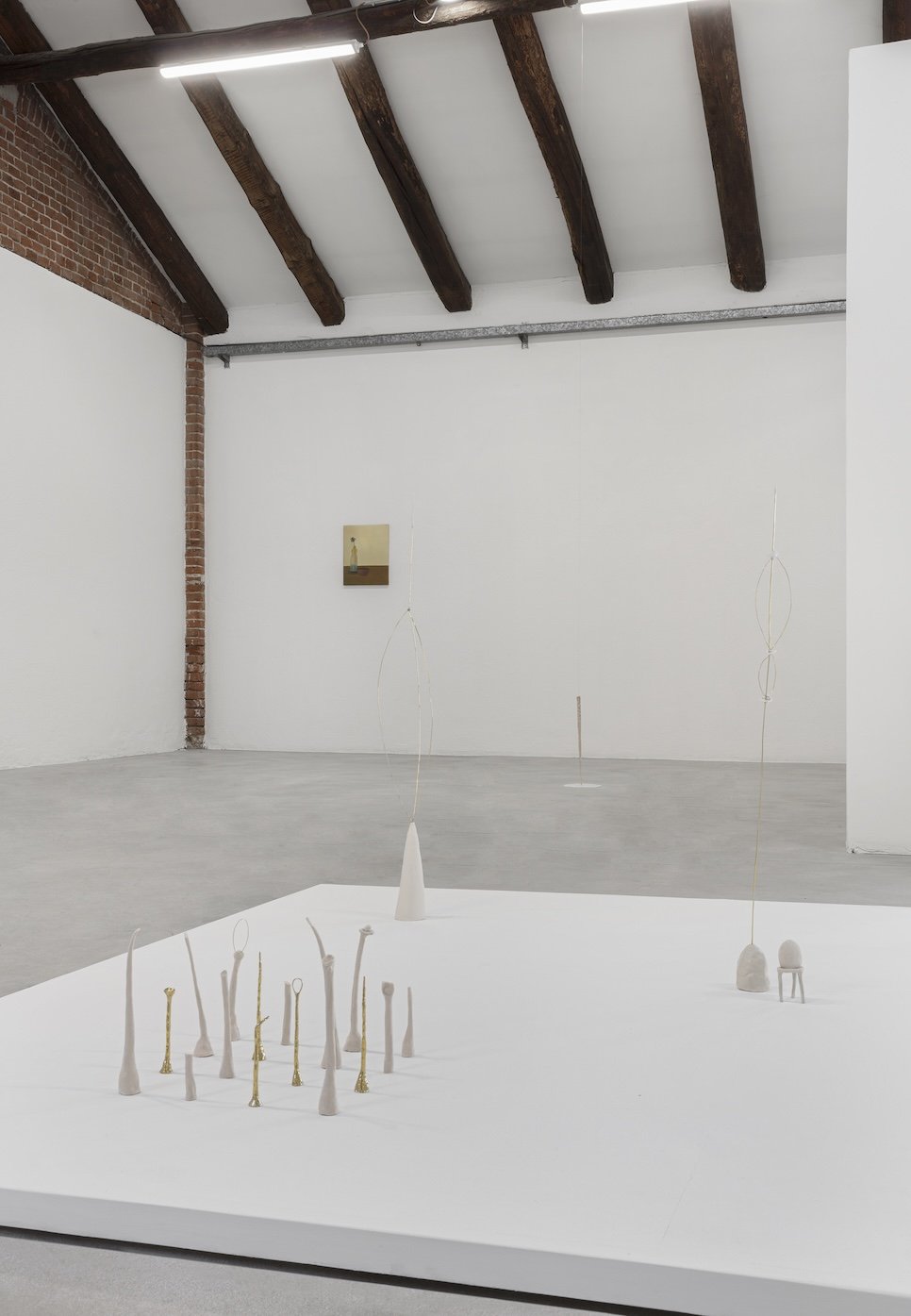
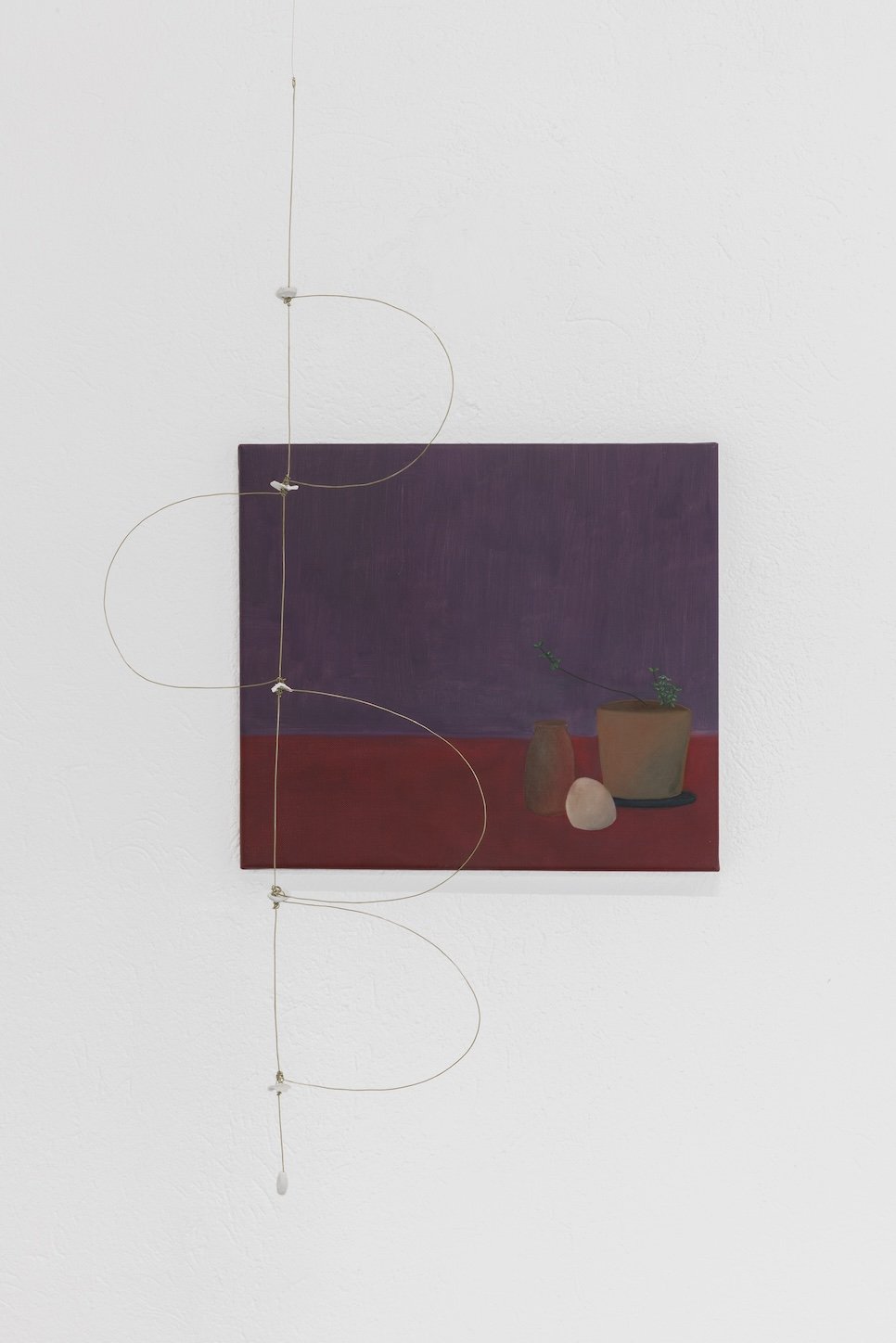
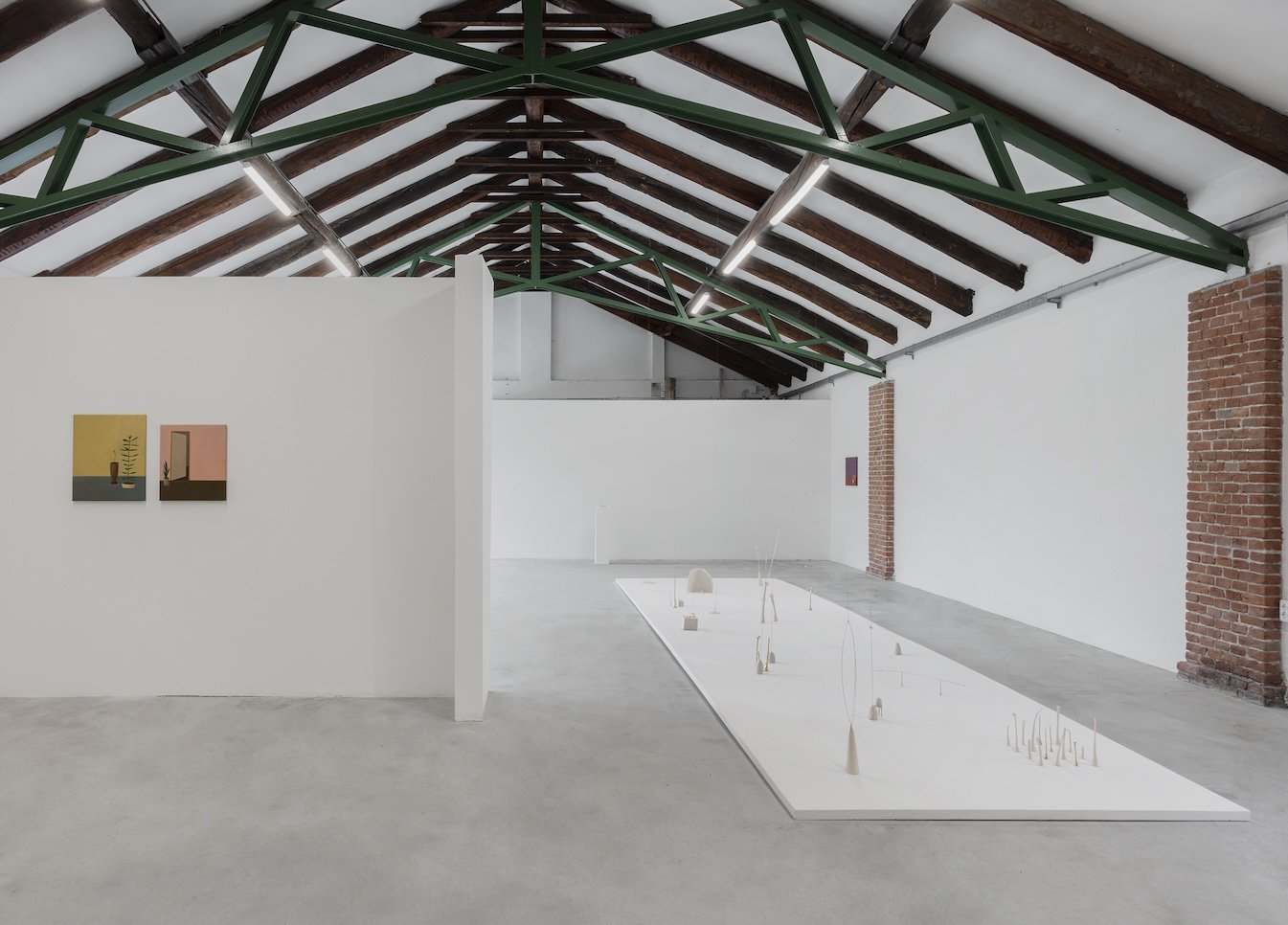
The outcome of the tensions Noronha persistently seeks in the interplay between matter and structure emerges in her most recent sculptures, where it unfolds in compositions made of porcelain elements articulated by brass wires. The introduction of this element initially responds to a constructive need: light and malleable, the wire enables different parts to be connected and supports larger compositions. As in other areas of her practice, it is the very process of artistic creation that leads the artist towards a new visual dimension of the work.
Many of these sculptures are organised as systems in which the elements establish relation of tension and balance. The articulation of the parts thus becomes a structuring principle of the work, both in the autonomy of the individual elements and in their spatial arrangement.
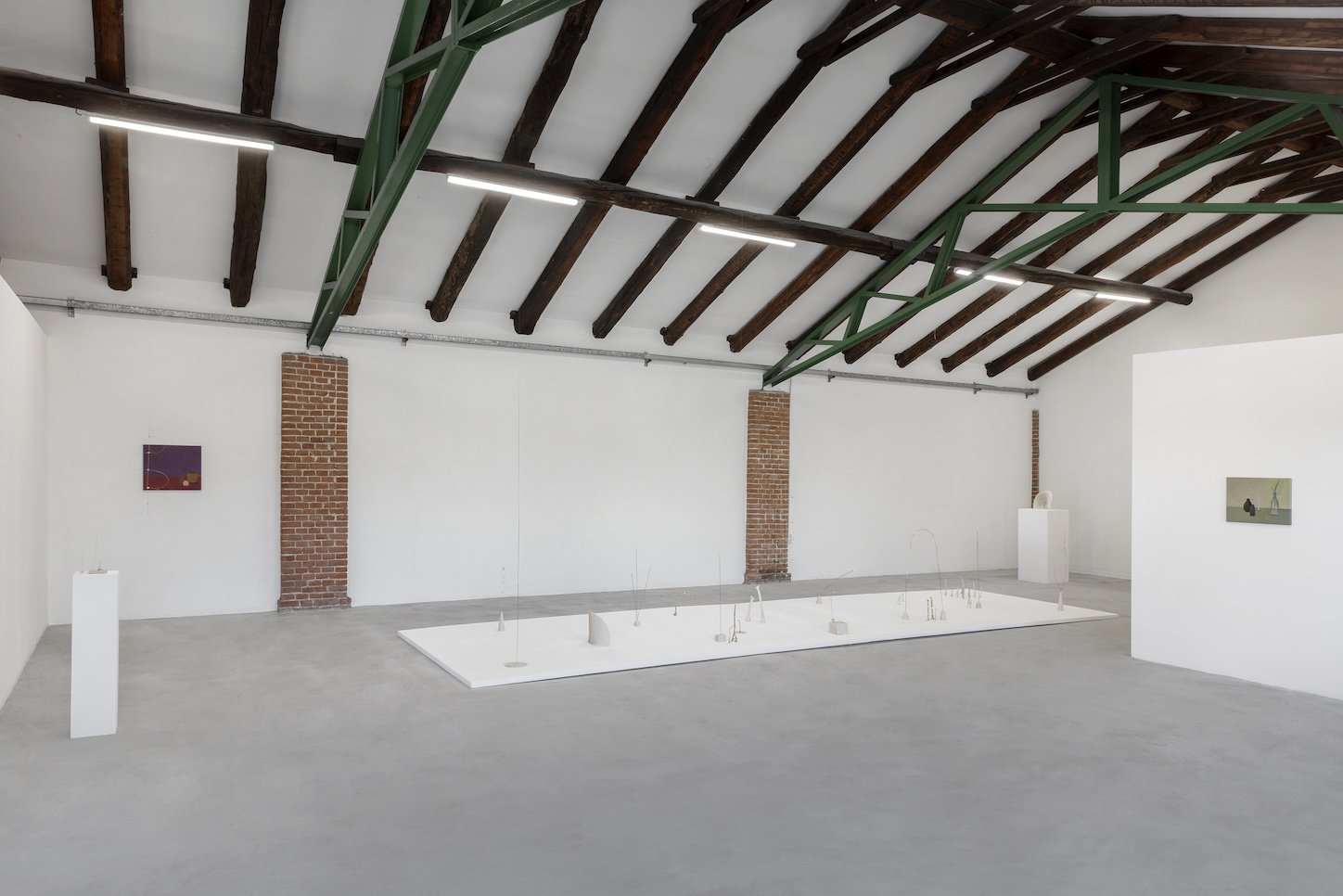
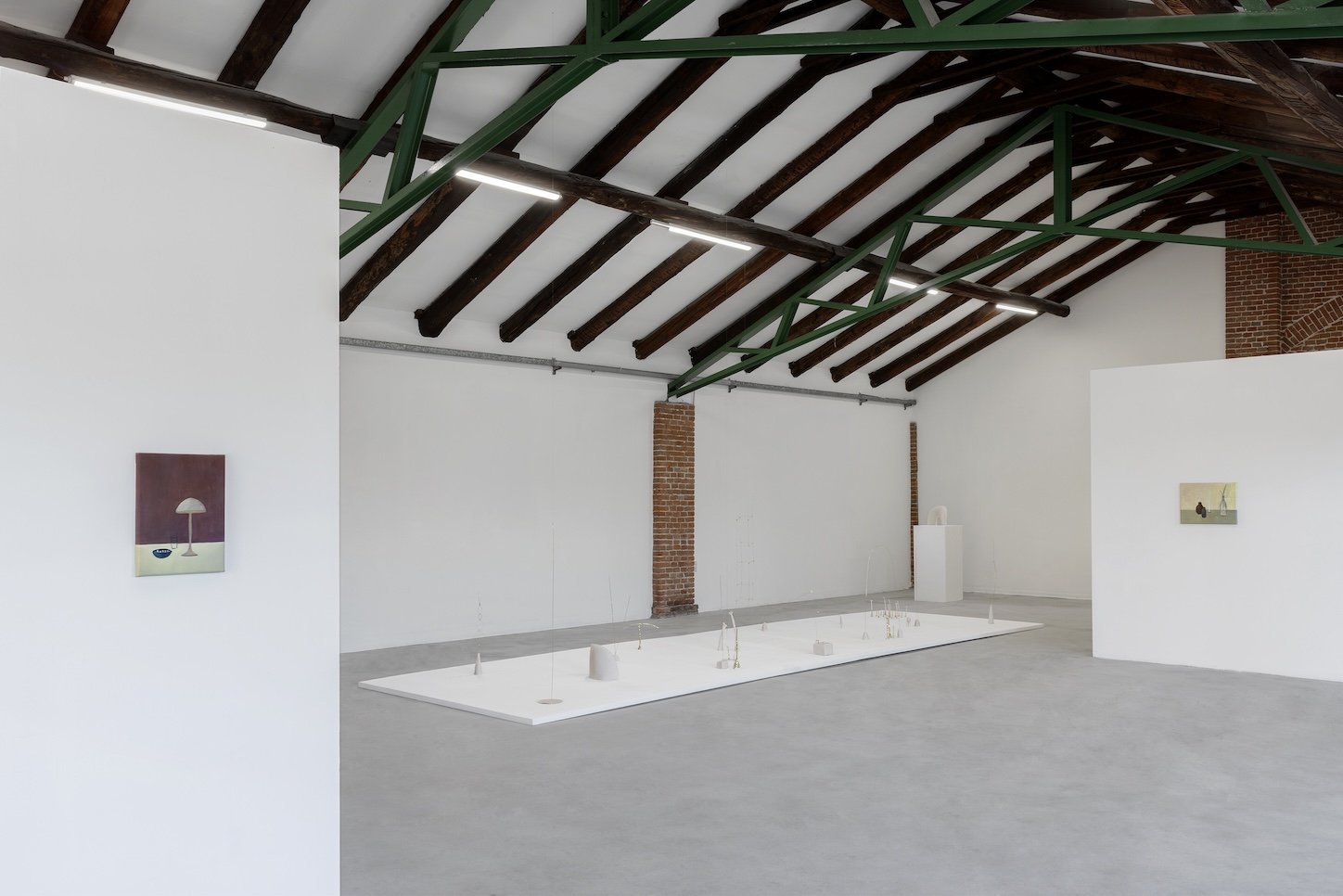
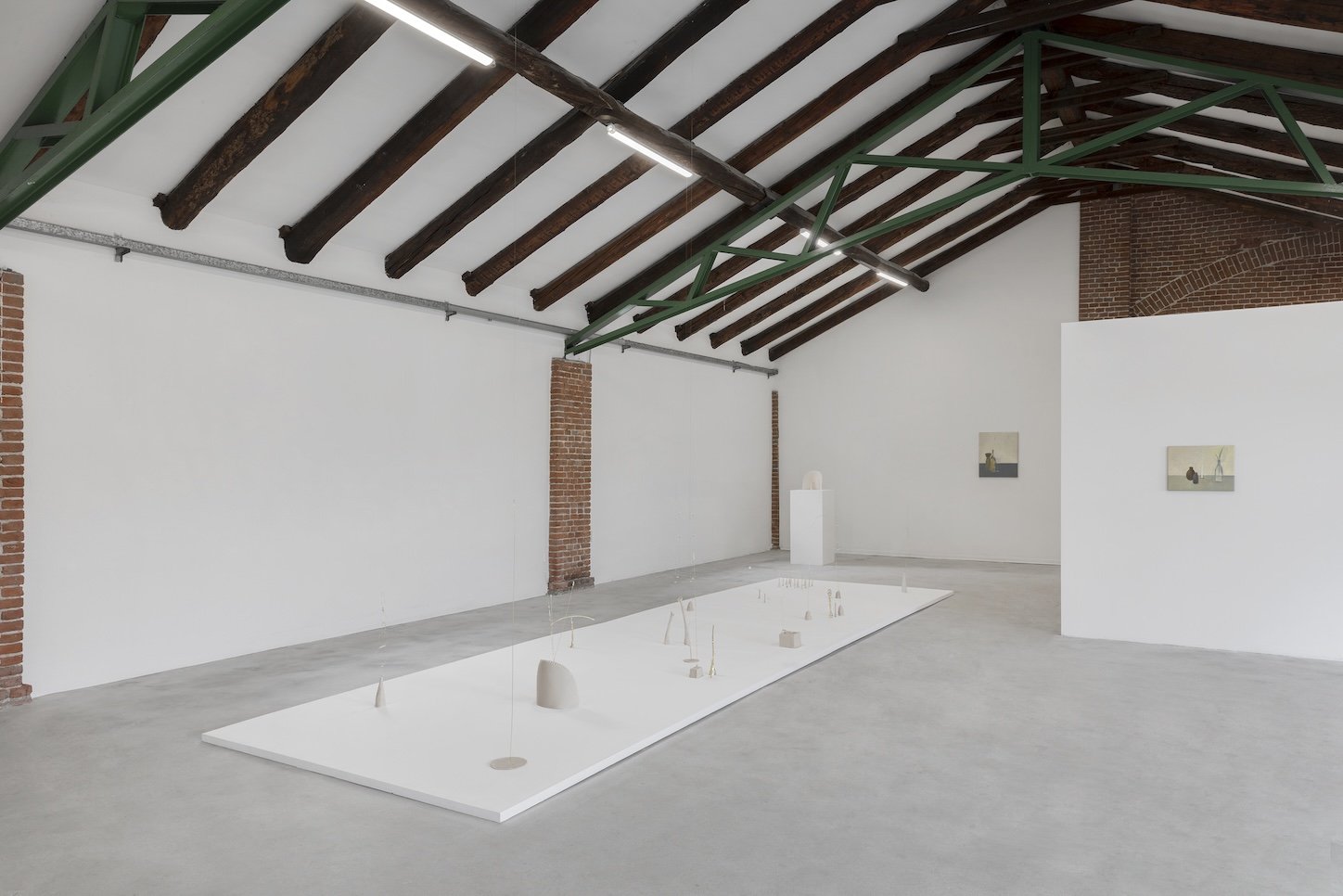
This focus on process entails a position defined by a measured use of materials, with the rejection of excess and the efficient use of resources shape many of the formal solutions found in the works. While the works reflect the artist’s specific impulse upon the world, the frequent decision to display sculptures directly on the floor, without plinths or with minimal
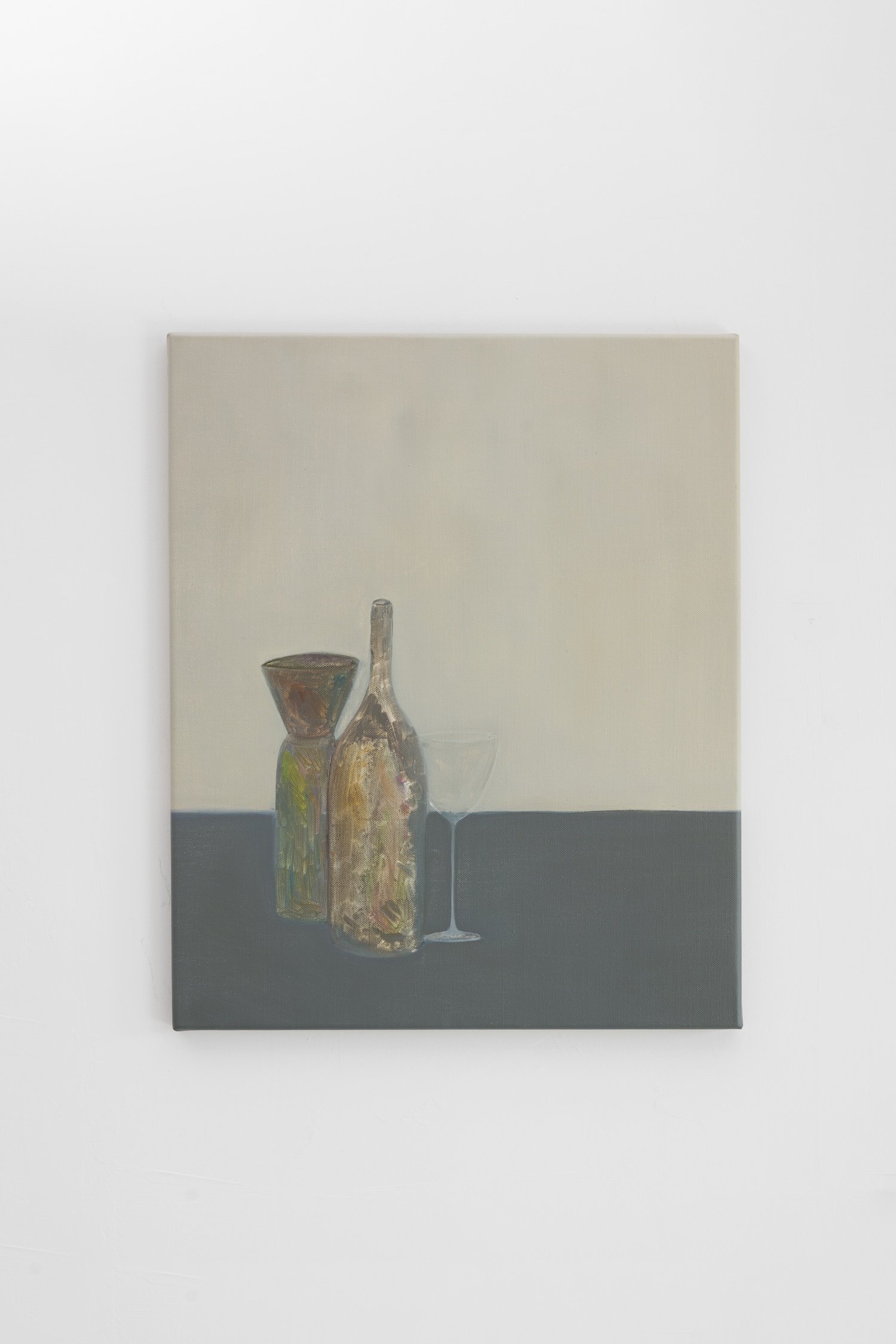
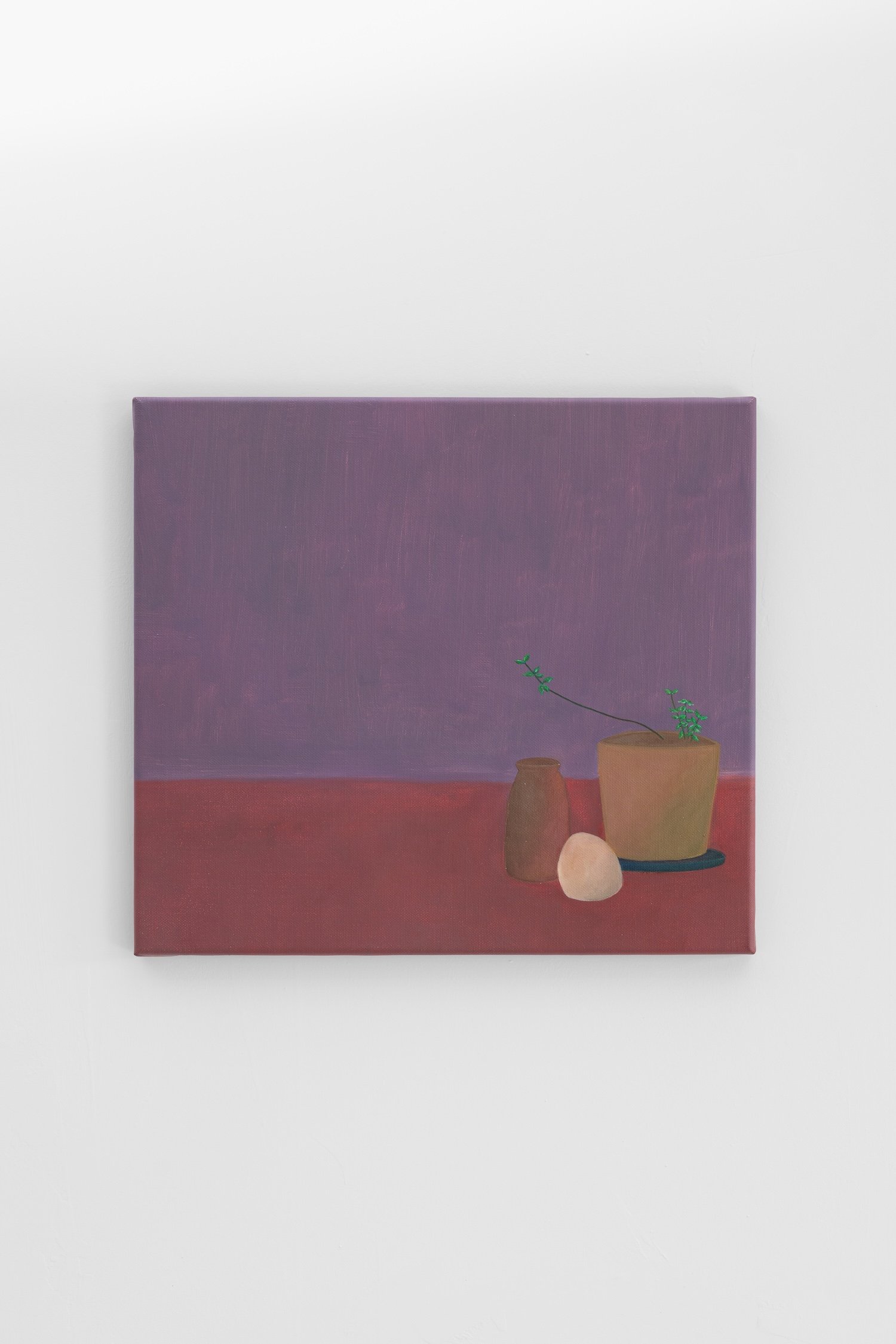
support, suggests a deliberate rapprochement of the works, the space, and the viewer’s body. Come Quando Quasi brings together a collection of paintings and sculptures which, in terms of form, fragmentation and scale, sometimes resemble objects unearthed in archaeological excavations. These pieces explore the origins of gestures and structures that run through the human experience in its most basic impulses.